1 item added to cart






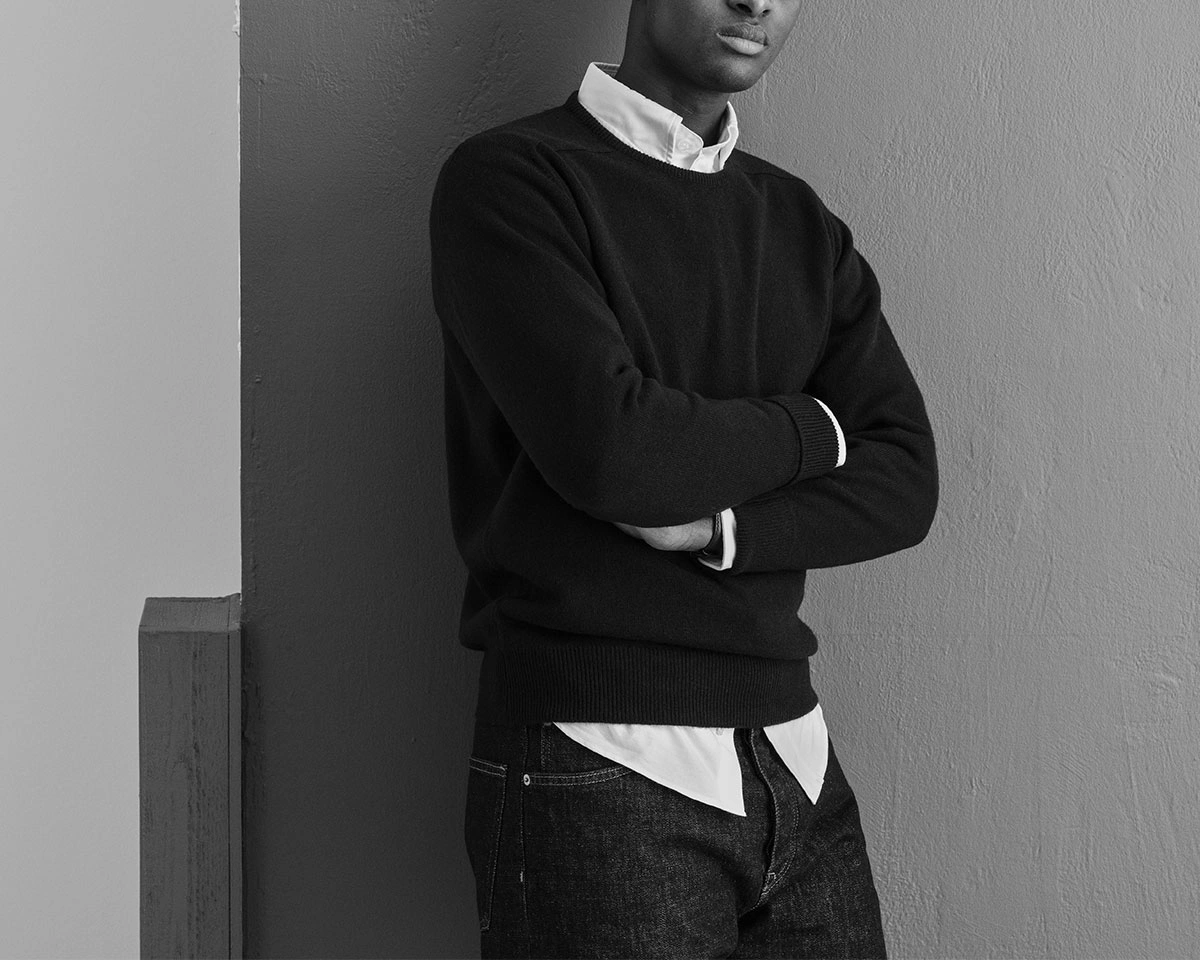
Behind the seams: 7 signs of a well-made pair of jeans
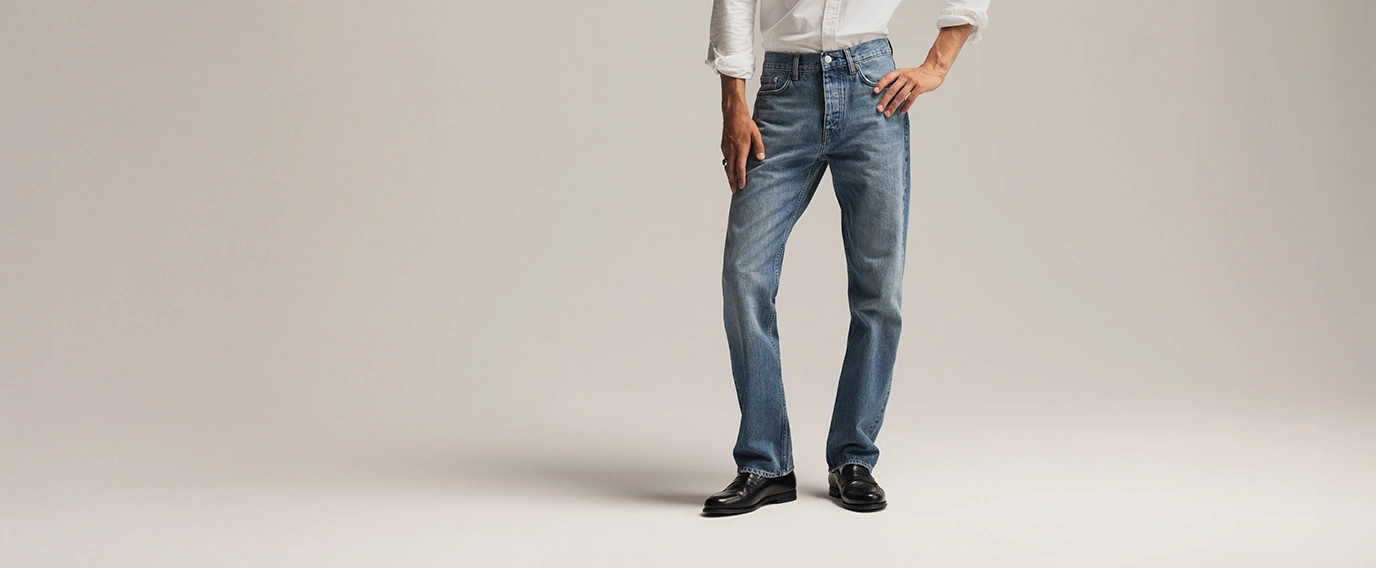
A pair of truly well-made jeans is one of the most obvious garments in the wardrobe – shaped by function, durability, and craftsmanship rather than fleeting trends. With roots in the USA during the 1800s, jeans have evolved from a purely workwear item to a timeless cornerstone of the men's wardrobe, regardless of style or context.
Photo: Patrik Hagborg
Text: Ebba Thanner
Video: Leo Prim
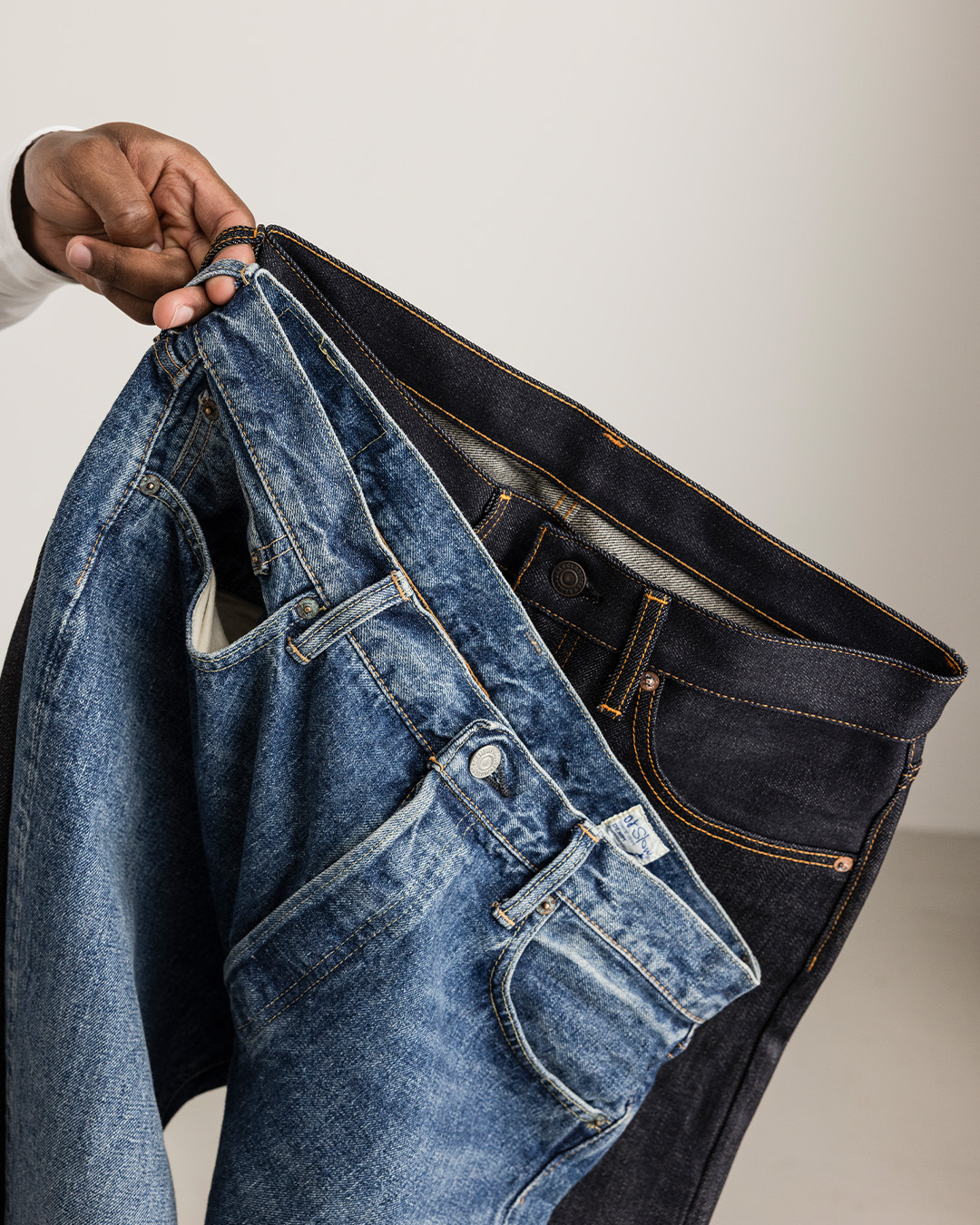
Behind the seemingly simple silhouette lies a heritage from the time when jeans were workwear, where every detail had a clear purpose. For the knowledgeable, this is revealed in the construction, from sewing techniques to how the denim fabric is structured. Terms like raw denim, selvedge, chain stitch, and rivets are often used to describe quality, but in practice, they serve as markers of a deeper knowledge and respect for the garment's function. In this guide, we will go through the vocabulary of jeans and show how materials, stitching, and details reveal the level of craftsmanship behind a pair of jeans.
In the Behind the Seams series, we demonstrate how to recognize high-quality garments. By understanding the details behind the garment, it becomes easier to identify thoughtful constructions – and to choose jeans that maintain fit, quality, and expression year after year.
1. The denim fabric reveals everything
When it comes to jeans, the quality is determined by the denim fabric itself. A well-crafted pair of jeans feels dense and cohesive in hand, with a natural stiffness that offers resistance when you fold the fabric. It is a material that stands on its own and retains its shape over time, rather than feeling soft and "finished" right from the start.
A simple guideline is the weight of the fabric, which is often measured in ounces (oz). A higher weight generally indicates a denser and more robust fabric with better durability and shape retention.
What to look for: Look for a fabric with clear weight and firmness. Be cautious of denim that has a high proportion of synthetic materials such as polyester, elastane, and elastomultiester. While it provides immediate comfort and flexibility – such jeans tend to lose their shape more quickly and age poorly. Feel free to test the resistance by gently pulling the fabric and seeing if it returns to its original shape.
2. Subtle variations in color and texture
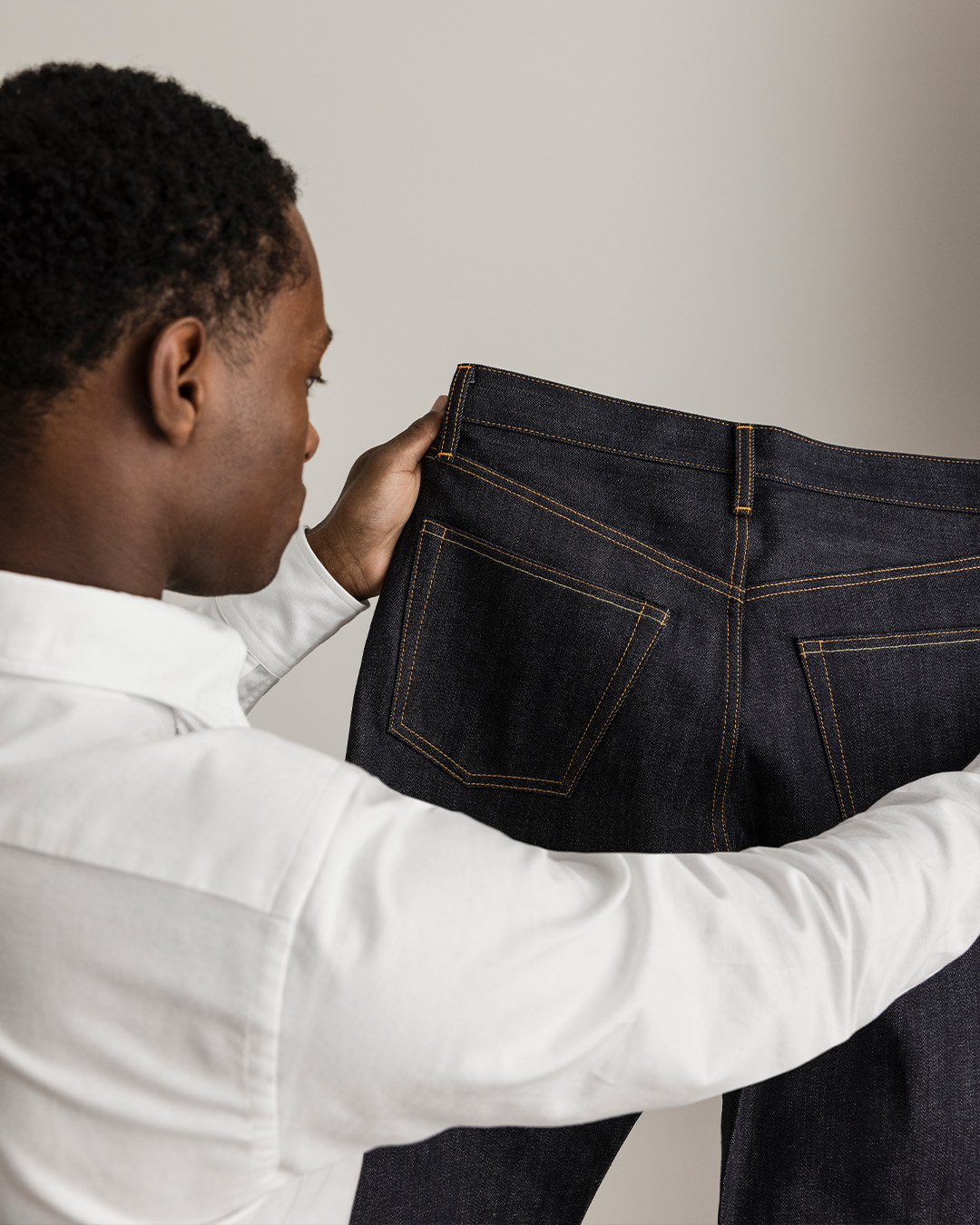
The surface of quality denim is rarely completely perfect – and that's the point. Subtle variations in color and texture occur when the yarn is dyed and woven in a way that preserves its natural character. The result is a fabric with depth in its hue and a more vibrant expression.
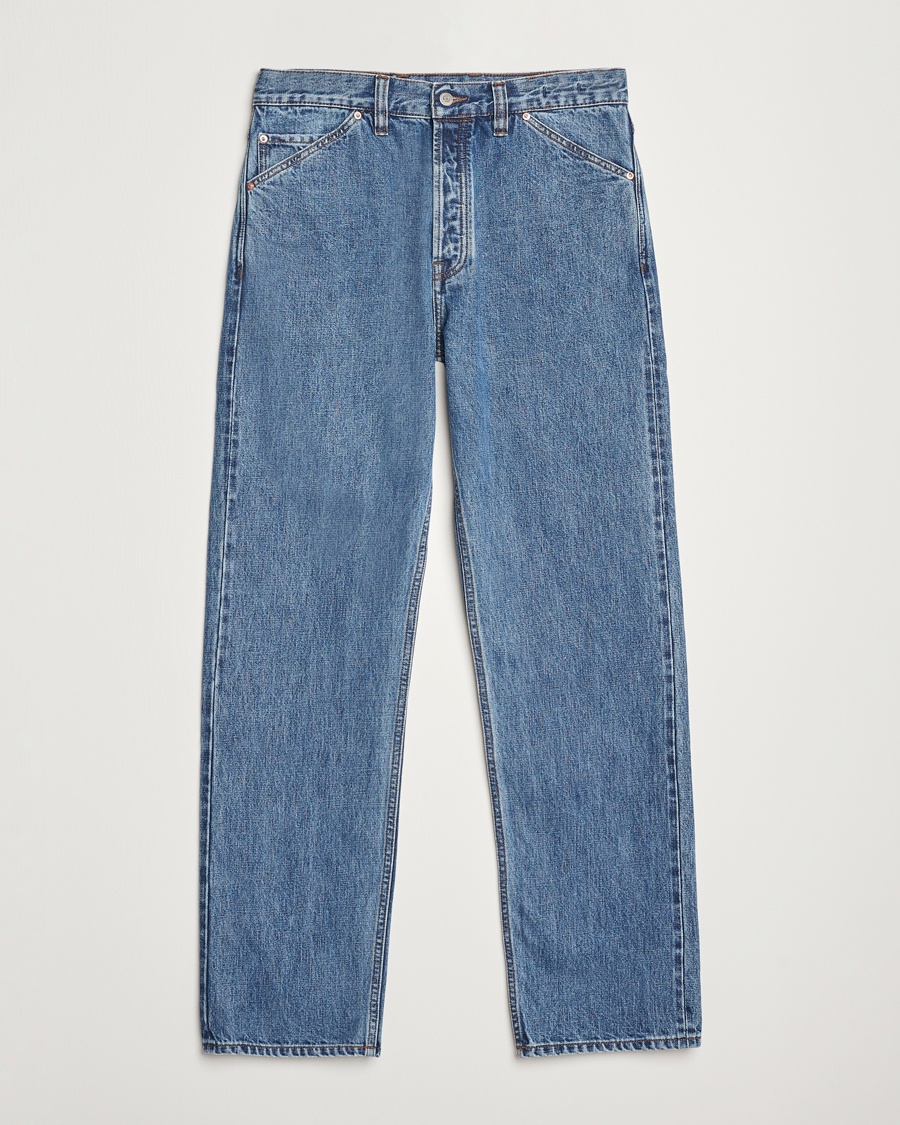
Mass-produced denim, on the other hand, is often entirely uniform on the surface, a result of faster processes and heavier finishing treatments. While these do create a consistent appearance, they also make the fabric flatter and less lively over time.
3. Raw Denim
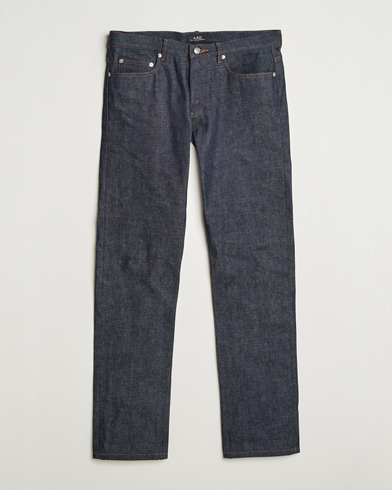
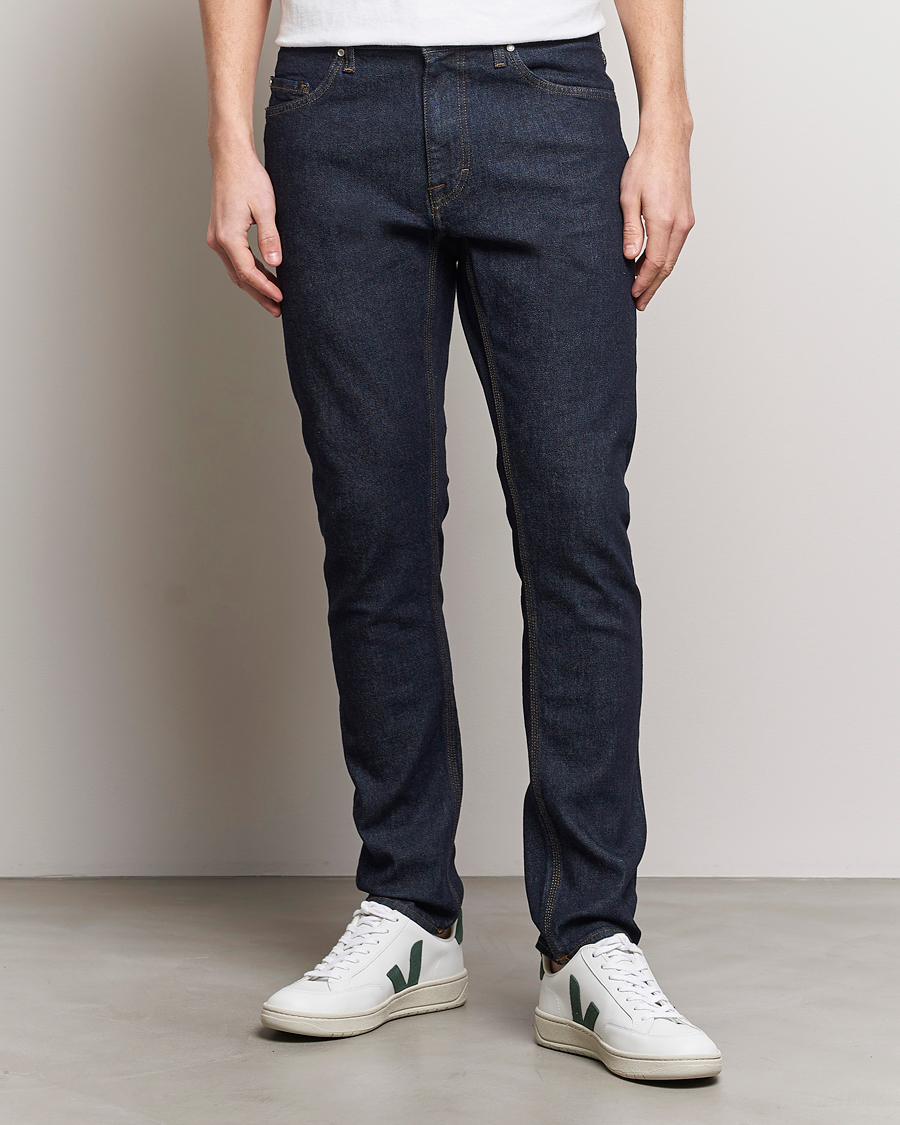
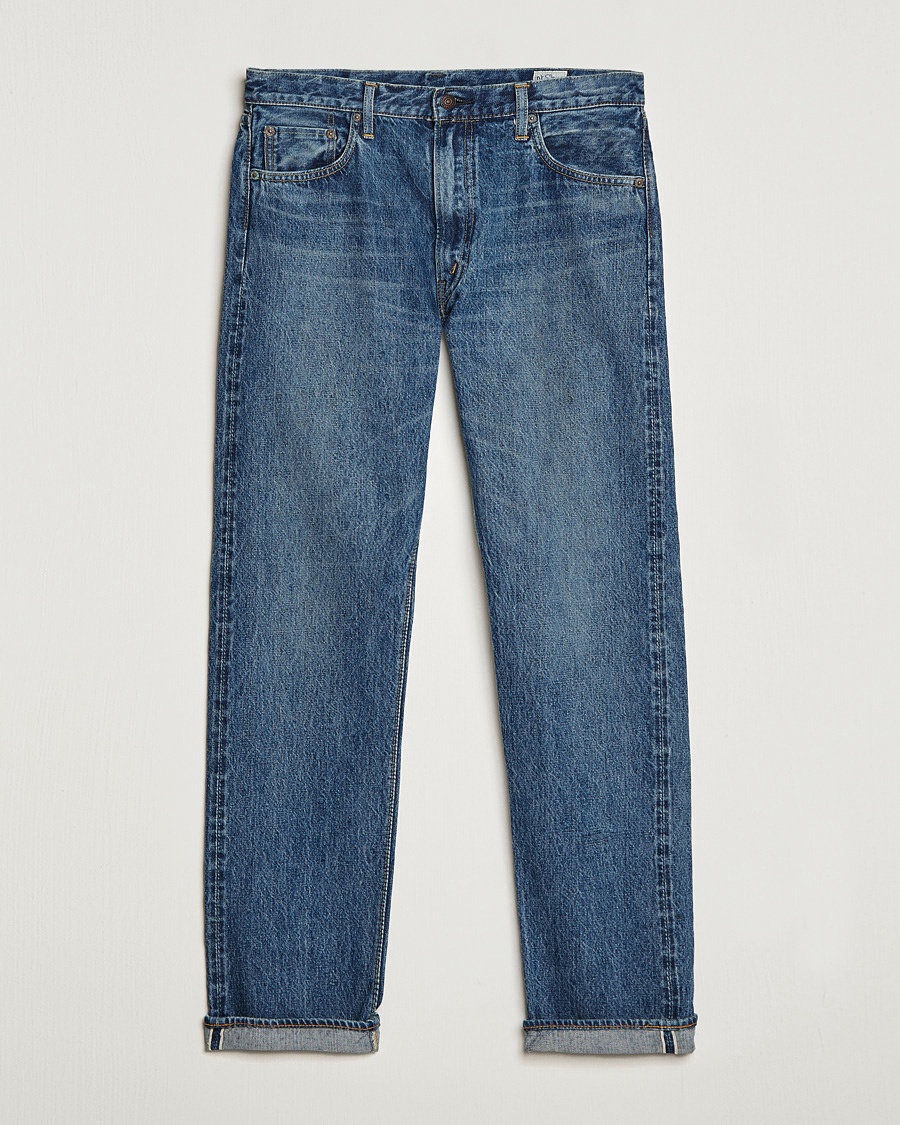
Raw denim, also known as raw denim or dry denim, is denim that has not been washed or treated. When the fabric is left in its original state, the strength of the fibers is preserved, allowing the jeans to age slowly and personally with wear. The color softens, creases develop, and over time the garment acquires a patina that reflects the wearer.
At the same time, raw denim is not automatically a sign of quality. It is always the quality of the denim fabric itself that determines whether raw denim jeans develop character – or just look worn out.
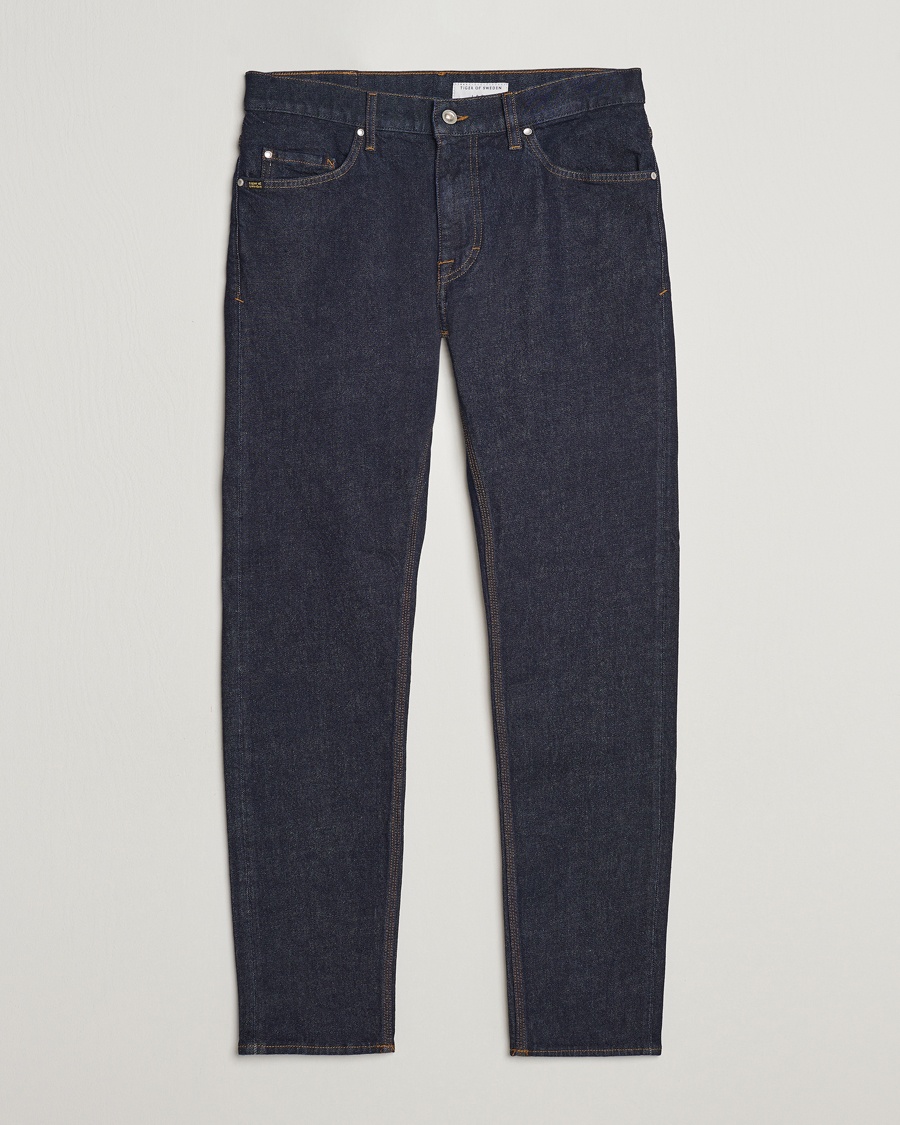
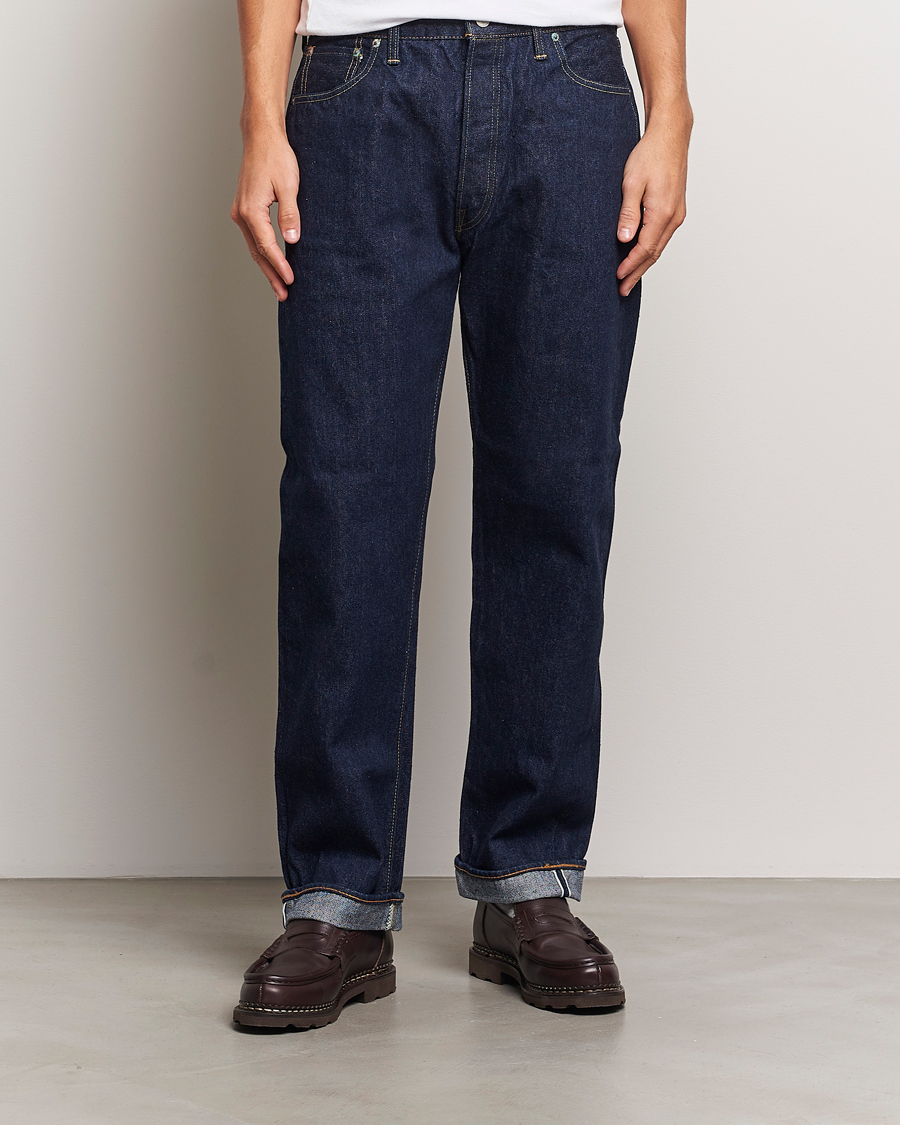
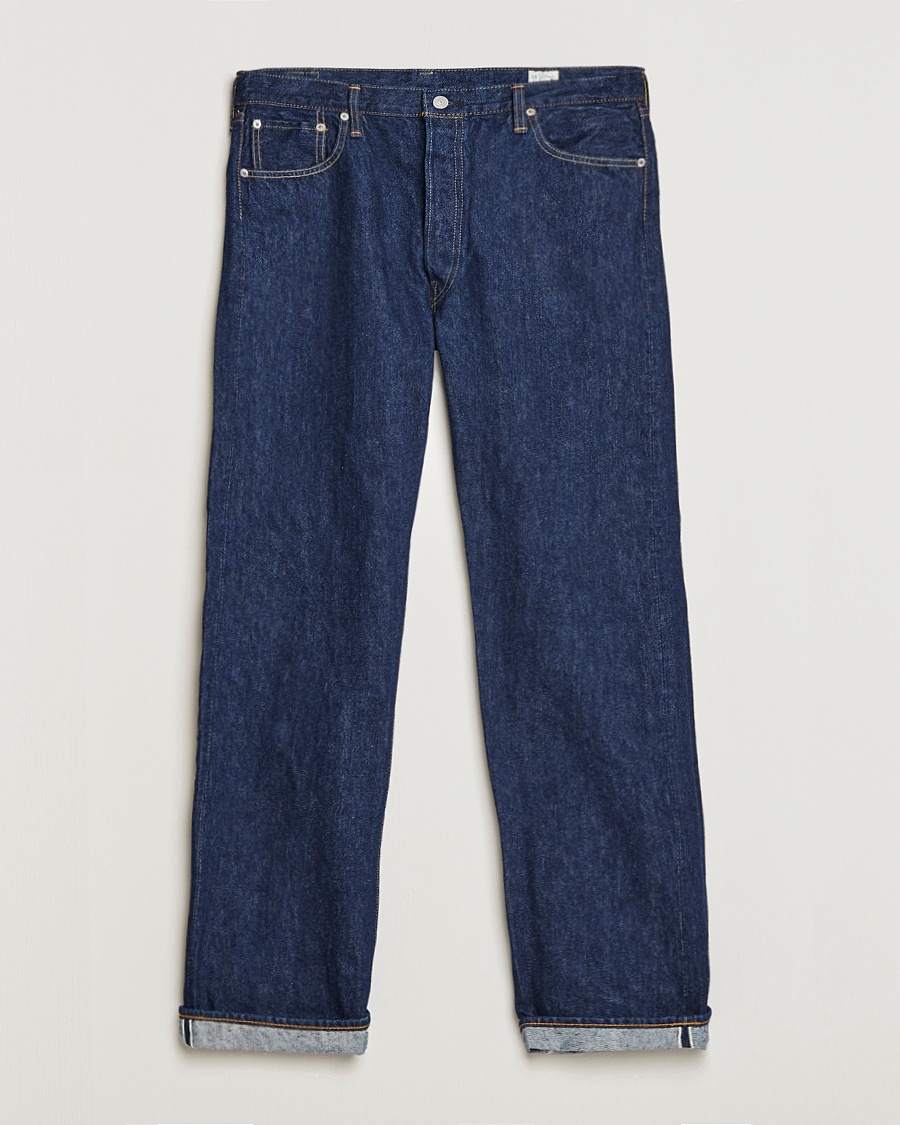
This is how to recognize raw denim: The jeans often feel very stiff at first but gradually soften with wear. The color is usually deep and saturated, often a dark indigo, with a somewhat "raw" surface without washing effects.
4. The Seams
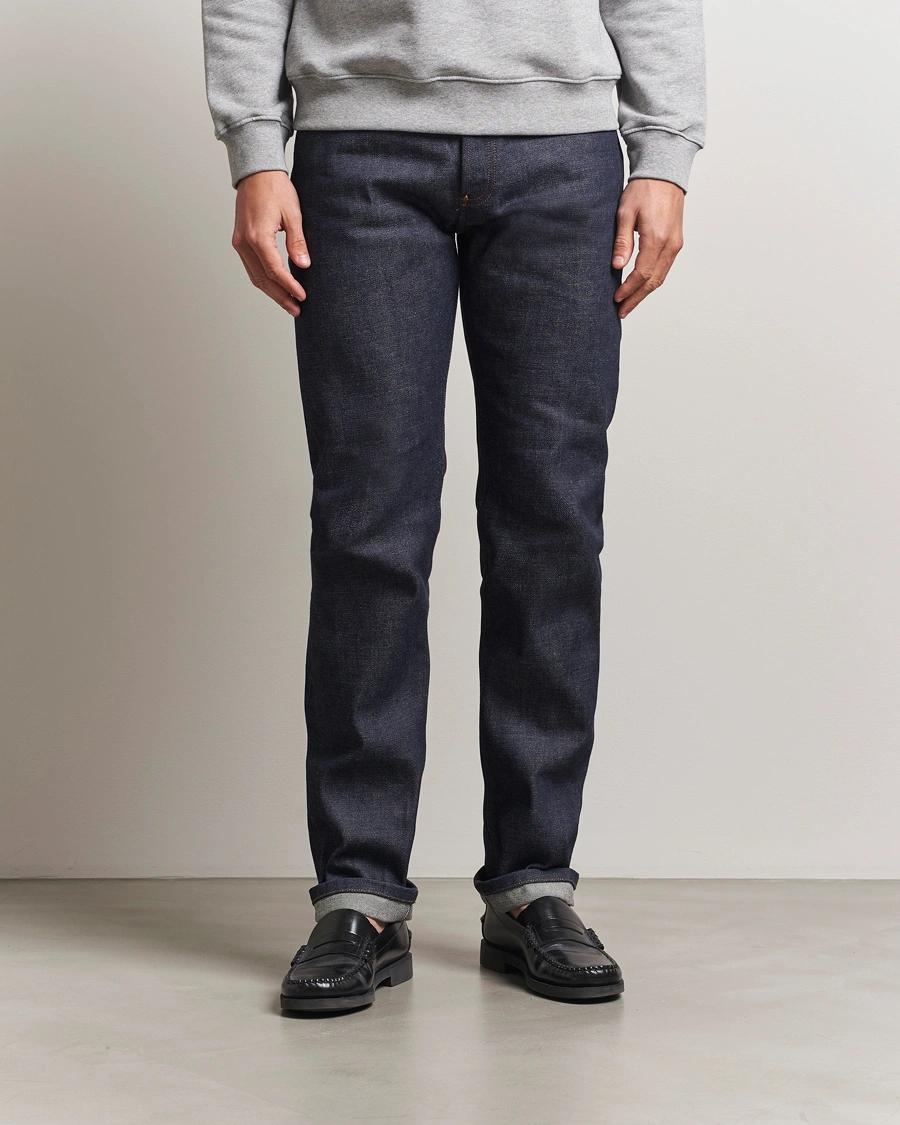
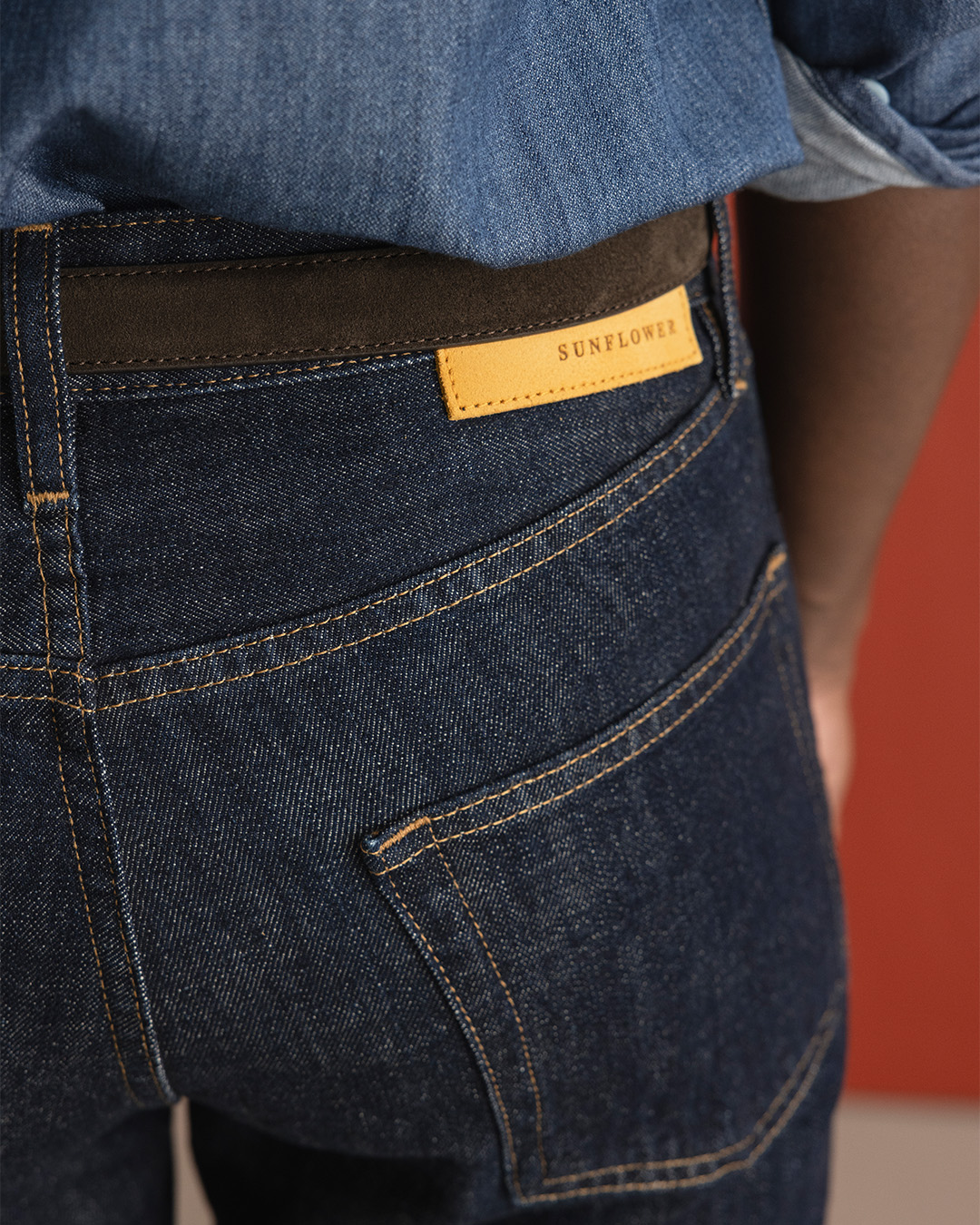
The seams are one of the clearest indicators of how a pair of jeans is actually made. On quality jeans, the stitches are tight and even, with consistent thread tension that makes the seam feel stable when you gently pull on the fabric. This is particularly true along the outer seams, around the back pockets, and in the crotch – areas that experience the most stress in everyday life.
Sloppy, sparse, or uneven stitches are often a result of fast production where speed has been prioritized over precision. A well-made seam should feel discreet and thoughtful, built to last over time rather than to be visible.
5. The Construction of the Hem
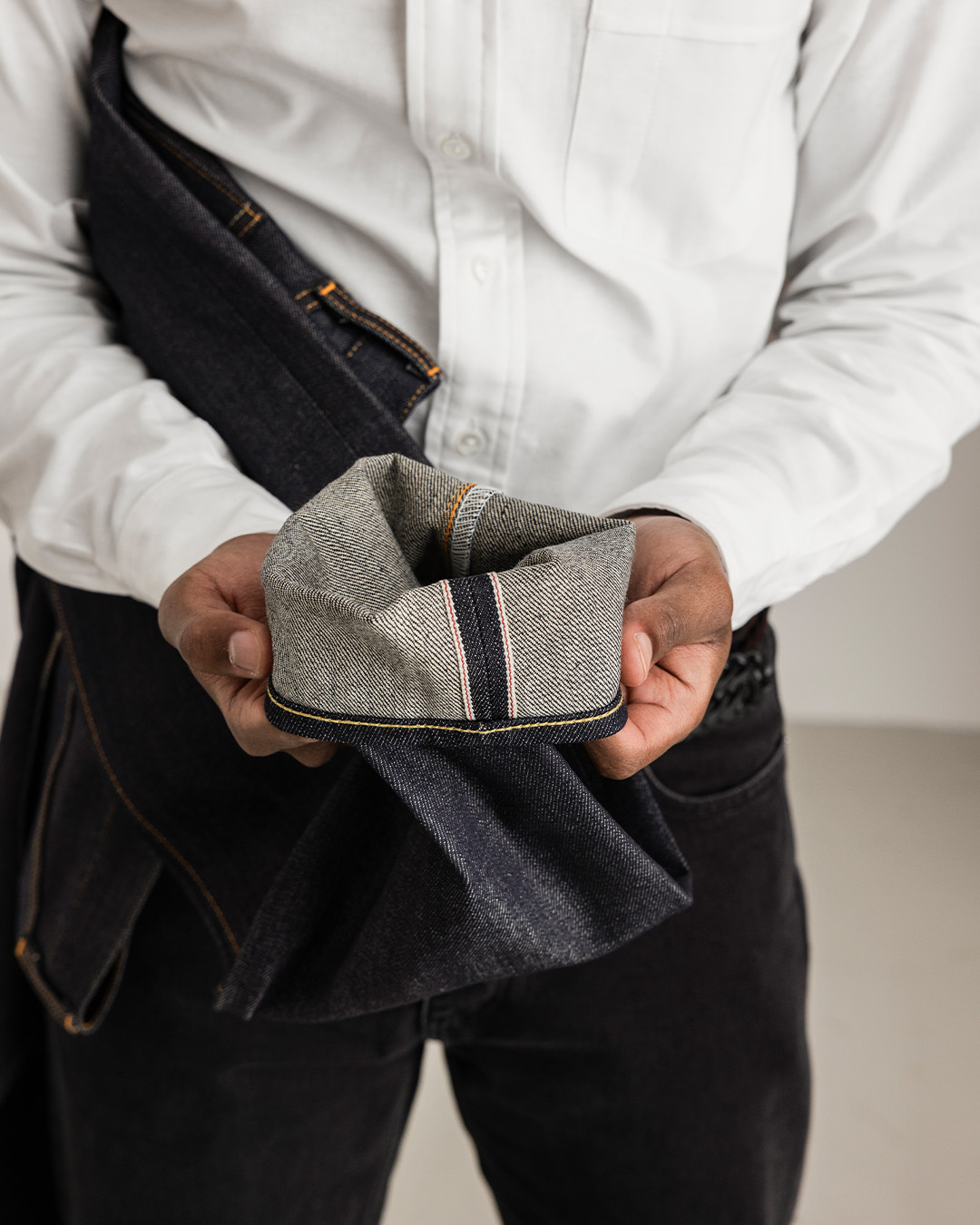
The hem at the bottom of the pant leg is a detail that is often overlooked, yet it says a lot about the overall quality. In well-made jeans, it feels somewhat sturdier and more thoughtfully constructed, rather than thin and flat-pressed. The hem often has a natural texture that helps it maintain its shape even after prolonged use.
A simpler hem, on the other hand, is made for efficiency. It may look correct when the jeans are new, but it quickly loses firmness and character over time.
6. Selvedge
Selvedge is an established term within the denim world, referring to the finished red edge of the fabric that prevents it from fraying. Selvedge denim is woven on traditional shuttle looms, where the edge is naturally bound during the weaving process. Unlike modern looms, shuttle looms create a narrower fabric with a denser and more vibrant texture.
However, selvedge is not automatically a sign of superior durability. Just like with raw denim, the quality is determined by factors such as the quality of the cotton, the construction of the weave, and the craftsmanship. Nevertheless, selvedge carries a strong historical heritage and represents a more traditional and artisanal manufacturing process, which can be seen as a mark of quality on a deeper level.
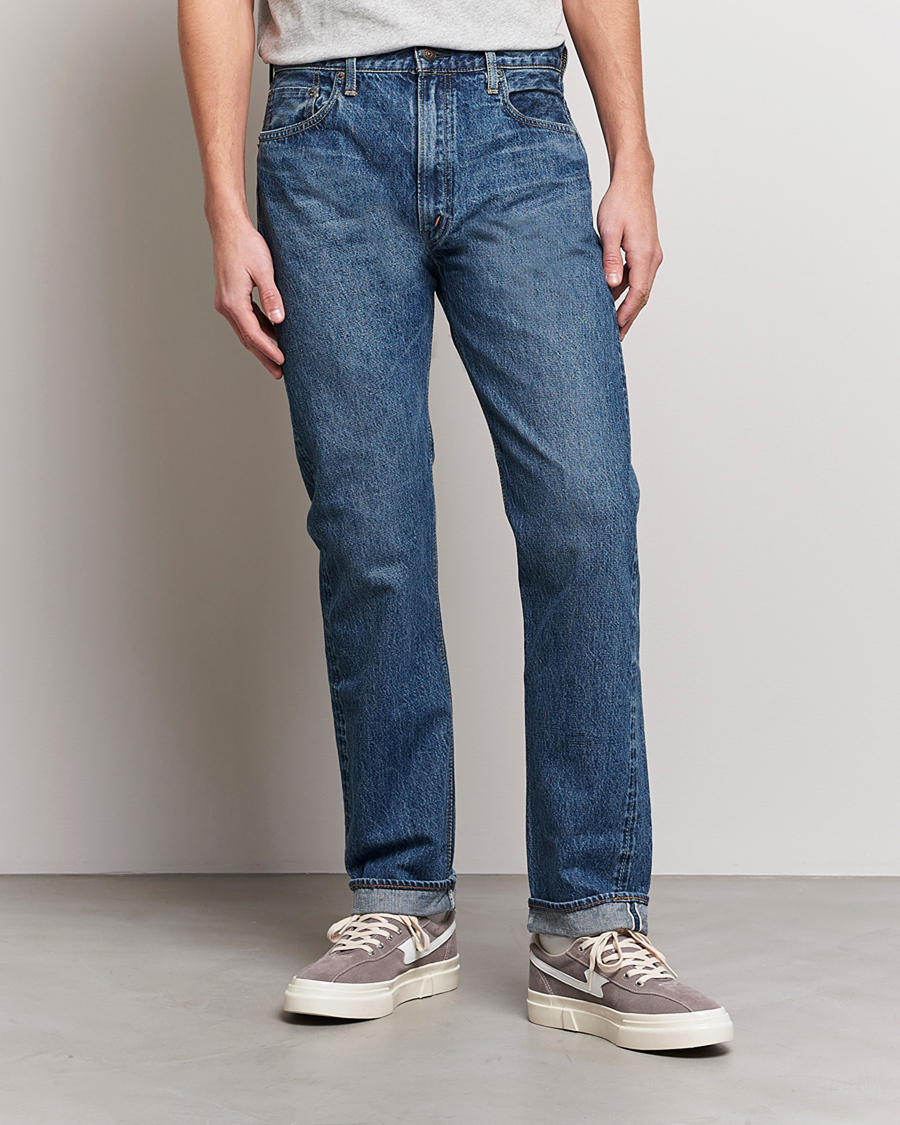
How to recognize selvedge: Look for the colored edge on the inside of the pant leg's hem or outer seam. Originally, it was used to identify the mill behind the fabric, but today it primarily serves as a marker for classic weaving techniques.
7. The Stability of Fit
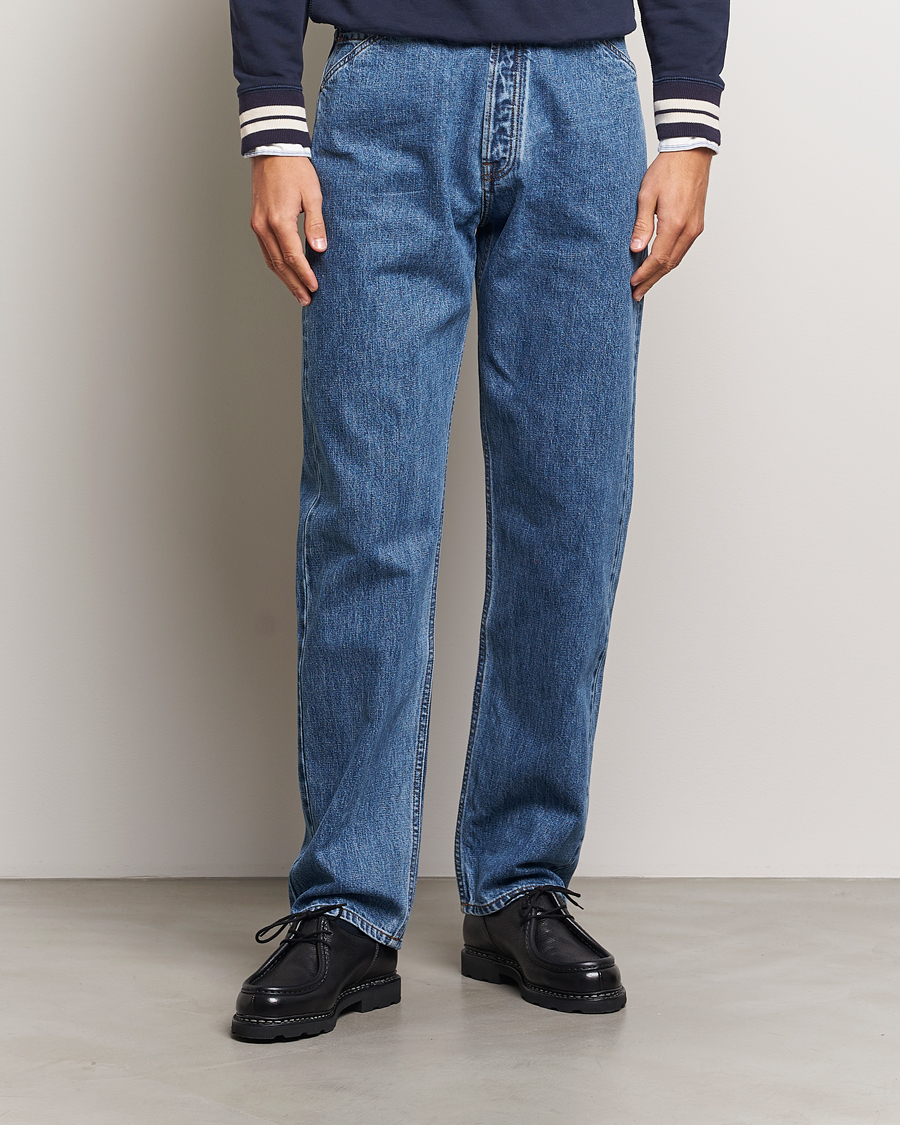
The fit doesn't always reveal itself in the fitting room, but quality is immediately noticeable in how the jeans behave when you move. A well-made pair of jeans maintains its shape when you sit down, stand up, and walk, without quickly feeling loose or baggy. It's about a thoughtfully crafted pattern that provides structure without feeling stiff – with the exception of raw denim.
Less qualitative and cheaper jeans may feel comfortable from the start, but often lose their structure after a short period of wear. True quality shows in how the jeans continue to fit over time – not just at first glance.
Ett par riktigt välgjorda jeans handlar sällan om en enskild detalj – utan om helheten. När material, väv, sömnad och passform samspelar skapas ett plagg som inte bara utvecklar en patina över tid, utan också behåller sin funktion. Det är i dessa subtila konstruktioner som skillnaden mellan bra och riktigt bra jeans blir tydlig.
Så nästa gång du letar efter ett nytt par, ta dig tid att se bortom det uppenbara och fundera över vad som faktiskt ligger bakom plagget. För det är just dessa genomtänkta detaljer som formar morgondagens klassiker.